


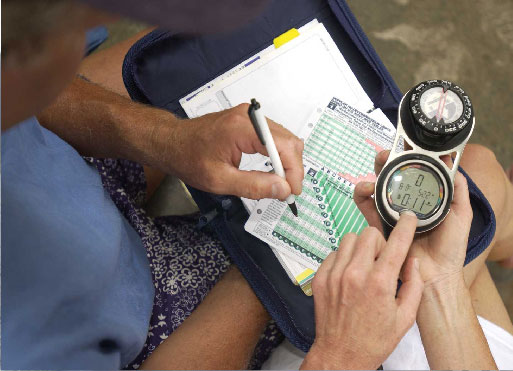
Dive computers have become standard equipment for many recreational divers. A modern computer can track depth, time and surface intervals while displaying information based on the dive profile.
They are powerful tools, but they are not a substitute for training, conservative decision-making or understanding the limits of a certification.
What Does a Dive Computer Measure?
At its most basic, a dive computer tracks how deep the diver is and how long the dive lasts. It then uses a decompression model to calculate information relevant to that profile.
Depending on the model, a computer may also display:
- Current and maximum depth
- Dive time
- No-decompression information
- Ascent-rate information
- Surface interval
- Water temperature
- Enriched-air settings
- Compass information
- Wireless cylinder-pressure data
Why Individual Dive Profiles Matter
Traditional dive tables group dives into simplified depth-and-time profiles. A computer continuously records the actual profile, allowing it to respond to changes in depth throughout the dive.
This is one reason each diver should have access to their own profile information rather than relying solely on another person’s device.
No-Decompression Information
One of the most prominent displays on many computers is the remaining no-decompression time. This is an estimate based on the computer’s model and the dive profile recorded so far.
It should not be treated as a target to push towards zero. Conservative diving leaves margin for changes in conditions, workload or the dive plan.
Ascent Information
Many computers display ascent-rate information and alerts. These features help divers recognise when a profile differs from the limits or recommendations built into the device.
The meaning of specific symbols and warnings varies between manufacturers, so divers should understand the manual and training relevant to their own model.
Air Integration
Some dive computers can receive cylinder-pressure information wirelessly from a transmitter attached to the regulator first stage. This can combine depth, time and gas information on one screen.
Air integration is convenient, but divers still need to understand gas management and check the information displayed rather than assuming the device will make decisions for them.
Nitrox Compatibility
Many recreational computers support enriched air nitrox. Using nitrox requires appropriate training, and the computer must be configured correctly for the breathing gas being used.
Big Blue offers advanced and specialty diving courses for certified divers who want to expand their knowledge in areas such as nitrox, deep diving and wreck diving.
What Features Matter Most?
For many recreational divers, readability and clarity matter more than an exceptionally long feature list.
Useful considerations include:
- A display that is easy to read
- Clear menus
- A suitable battery or charging system
- Support for the type of diving you actually do
- A strap or mounting system that fits comfortably
- A logbook or app system you are happy to use
- Access to a clear manual and manufacturer support
A Computer Is Not a Replacement for Training
A dive computer processes information. It does not know whether a diver is cold, anxious, tired, working hard or dealing with difficult conditions.
Good decision-making therefore combines the device with training, situational awareness and appropriate planning.
Learning Your Own Computer
Different manufacturers use different menus, abbreviations, alarms and screen layouts. Borrowing or renting a computer can therefore feel unfamiliar even to an experienced diver.
Understanding the display before a dive is more useful than trying to interpret an unfamiliar warning underwater.
Why Dive Computers Matter
Dive computers are valuable because they provide continuous information about an individual dive profile. Used properly, they support informed recreational diving and make it easier to record and review dives over time.
They work best when the diver understands both the device and the wider principles taught during formal scuba training.
