


Coral reefs are one of the defining natural features of Koh Tao. They support marine life, attract visitors from around the world and form part of a wider coastal ecosystem that connects reefs, open water and shoreline habitats.
For an island with such a strong relationship with the sea, reef health matters environmentally, socially and economically.
Coral Reefs Are Living Ecosystems
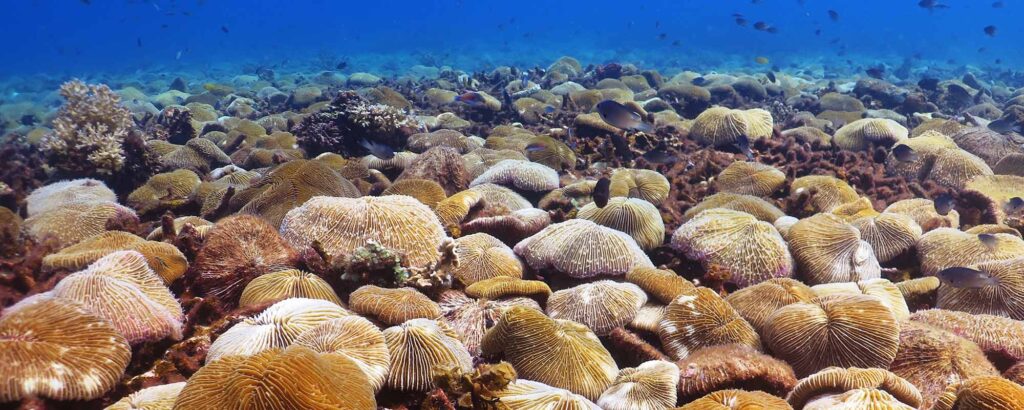
Corals may look like colourful rocks, but reef-building corals are living animals that form colonies. Over time, their calcium-carbonate skeletons help create complex reef structures.
Those structures provide shelter, feeding areas and nursery habitat for many other organisms. A healthy reef is therefore much more than coral alone: it is a community of fish, invertebrates, algae, microorganisms and larger visitors.
Why Biodiversity Matters
Reef complexity creates many different ecological niches. Small animals can shelter between coral branches, larger fish can feed along reef edges, and predators move between habitats in search of food.
This diversity is one reason tropical reefs can support so many visible species within a relatively small area.
Big Blue’s Koh Tao marine-life guide introduces some of the animals associated with the island’s reefs.
Reefs and Koh Tao’s Visitor Economy
Koh Tao is internationally known for scuba diving and other marine activities. Healthy reefs therefore have direct value to local businesses, employees and communities that depend on visitors coming to enjoy the sea.
That does not mean reefs exist for tourism. It means tourism has a clear responsibility to minimise its impact on the ecosystems that support it.
Coral Reefs Face Multiple Pressures
Reefs can be affected by both local and global pressures, including:
- Periods of unusually warm seawater
- Coral bleaching
- Storm damage
- Pollution and poor water quality
- Physical contact and breakage
- Marine debris
- Coastal development
- Changes in ecological balance
Some impacts can be reduced locally, while others require broader regional and global responses.
What Is Coral Bleaching?
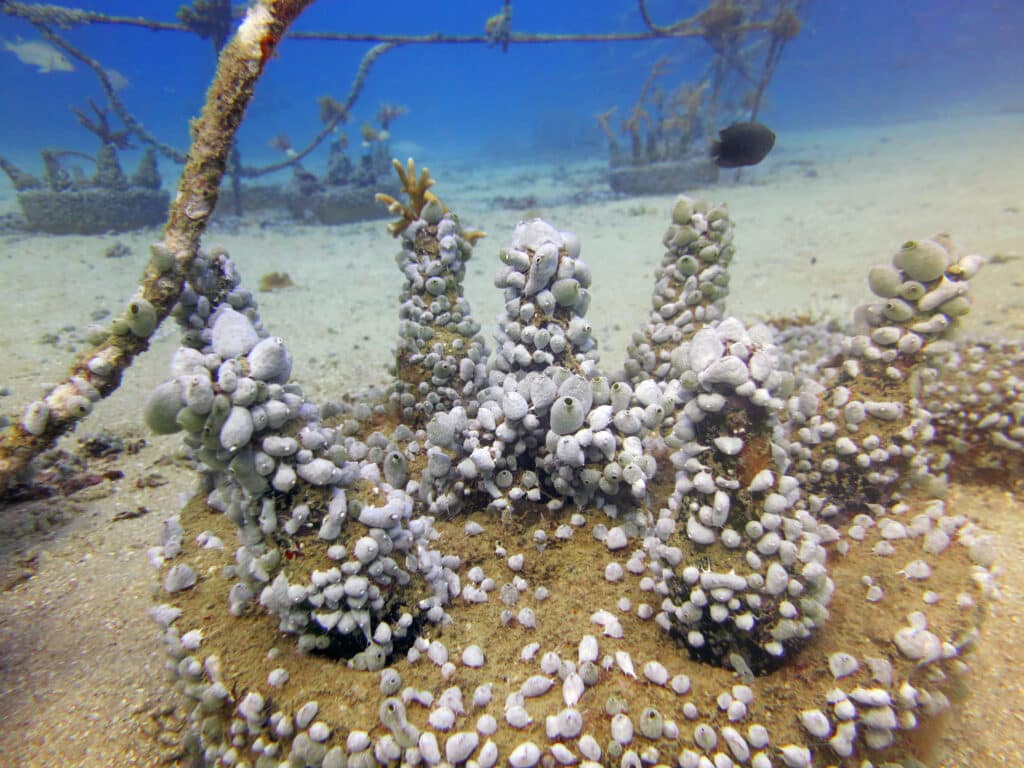
Coral bleaching occurs when stressed corals lose much of the symbiotic algae that live within their tissues and provide a large share of their energy. The coral becomes pale or white because the underlying skeleton becomes more visible.
Bleached coral is not automatically dead, but prolonged or severe stress can increase mortality. NOAA provides a useful overview of the process in its coral bleaching explainer.
Why Local Conservation Still Matters
Local projects cannot control global ocean temperatures, but they can address pressures that are manageable at island level.
Examples include reducing marine debris, improving environmental awareness, monitoring reef condition and encouraging responsible behaviour around coral and wildlife.
Big Blue’s marine conservation programmes introduce subjects such as coral ecology, fish identification and underwater research.
Responsible Marine Tourism
Dive centres, boat operators and visitors all influence how busy reef sites are used. Clear environmental briefings, suitable site selection and practical conservation standards can reduce avoidable pressure.
International initiatives such as Green Fins provide guidance for more sustainable marine-tourism operations.
Reef Conservation Is Long-Term Work
There is no single project that can “save” a reef permanently. Reef conservation involves monitoring, education, responsible tourism, scientific research and broader action on climate and pollution.
It also requires realistic communication. Natural ecosystems change over time, and conservation is often about improving resilience and reducing avoidable damage rather than trying to freeze a reef in one permanent state.
Why Koh Tao’s Reefs Matter
Koh Tao’s reefs support marine biodiversity, local livelihoods and the experiences that draw many people to the island. Protecting them is therefore not a side project: it is part of protecting the environmental foundation of Koh Tao itself.
Learn more about local species in our marine-life guide or explore our marine conservation courses in Koh Tao.
