


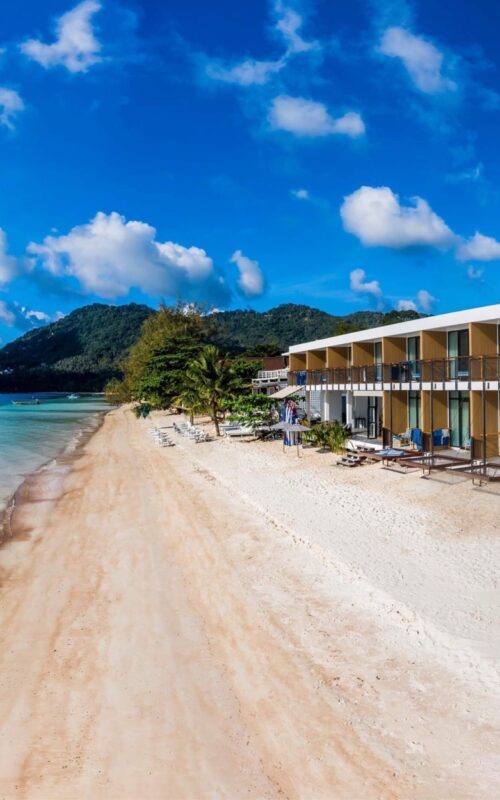
Koh Tao is a year-round tropical island, but the experience changes with the seasons. Wind direction, rainfall, sea conditions and visitor numbers all vary through the year, so the “best” time to visit depends on what matters most to you.
Some travellers want the driest possible weather, others prefer quieter months, and some are happy to trade perfect sunshine for fewer people and lower accommodation demand.
Koh Tao Has Its Own Seasonal Pattern
Thailand does not experience identical weather everywhere at the same time. Koh Tao sits in the Gulf of Thailand, so its seasonal pattern differs from destinations on the Andaman coast.
This is why a national “Thailand monsoon” calendar can be misleading when planning a specific island.
January to April
The beginning of the year is a popular period for Koh Tao. Conditions are often settled, temperatures are warm and the island becomes busier as travellers arrive during the northern-hemisphere winter.
March and April can feel particularly hot, with April also overlapping Songkran, the Thai New Year period.
May to August
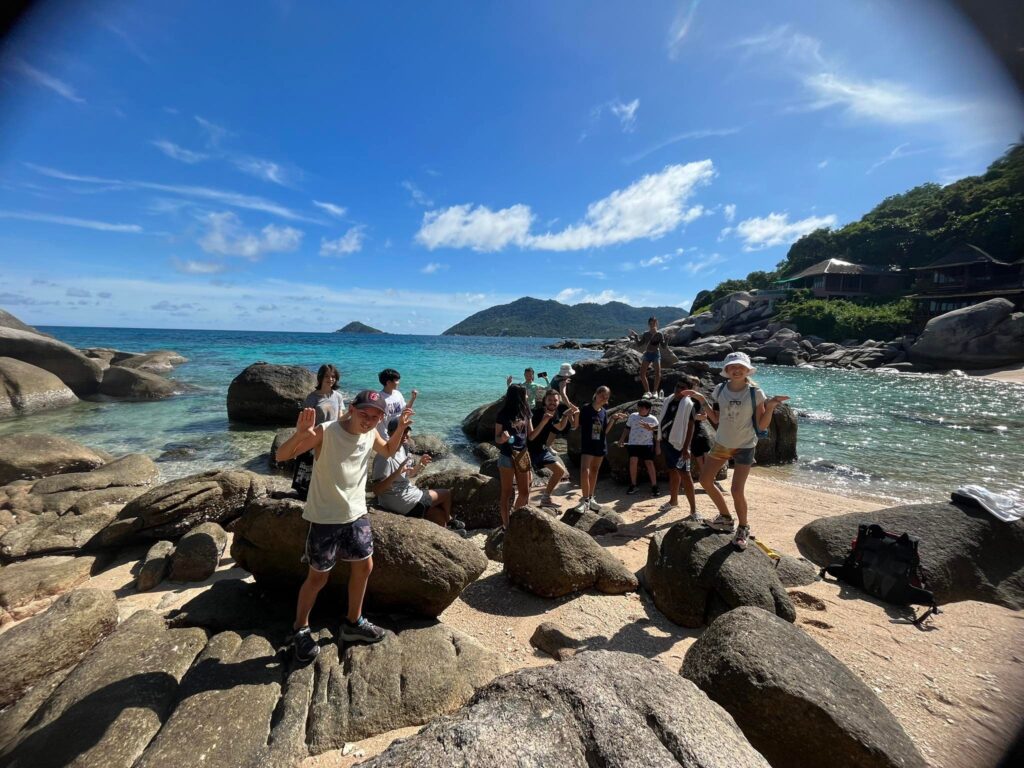
These months remain warm, but southwest winds can affect exposed parts of the island. Conditions are not uniform around the coastline, and sheltered areas can differ significantly from windward beaches.
This seasonal variation is one reason local operators pay attention to wind direction rather than relying on a single island-wide description.
September and October
September and October are transition months. Weather can be variable, with warm temperatures and a greater chance of rain compared with the driest parts of the year.
Visitors should expect tropical conditions rather than assuming every day will be cloudless.
November and December
Koh Tao usually experiences its wetter monsoon period towards the end of the year. Rainfall can be heavier and windier periods are possible.
This does not mean it rains continuously for two months, but travellers should build more flexibility into outdoor plans.
Does Rain Ruin a Koh Tao Trip?
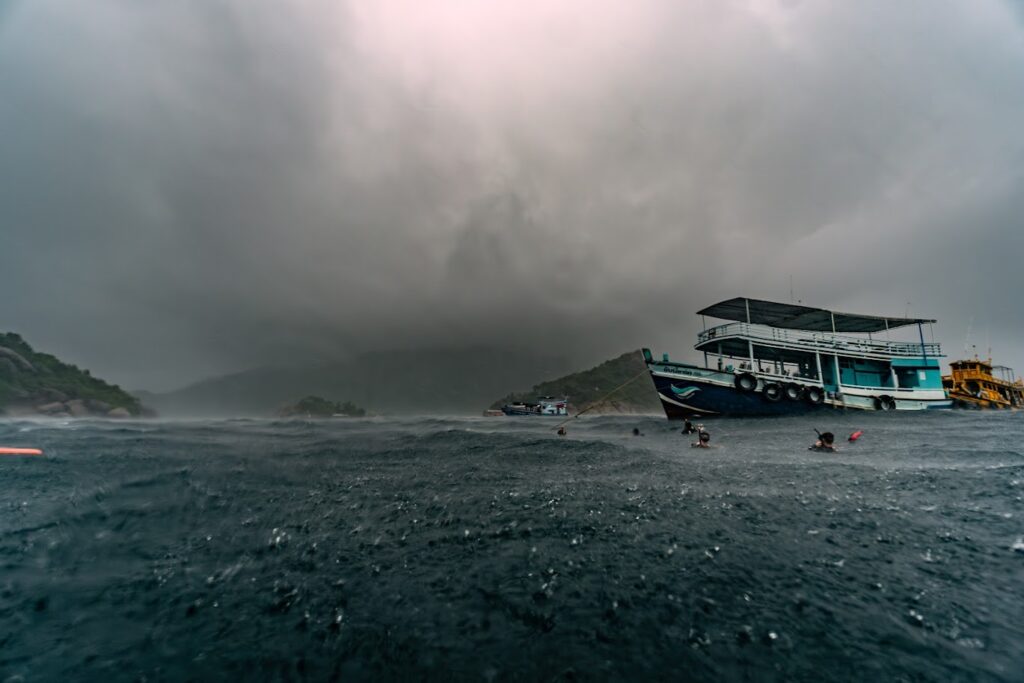
Not necessarily. Tropical rain can be intense but short-lived, and conditions can change quickly. A wet morning may still be followed by a usable afternoon.
A longer stay is helpful because it gives you more chances to move outdoor activities around the weather.
When Is Koh Tao Busiest?
Visitor numbers are influenced by international holiday periods, Thai public holidays and the broader Southeast Asia travel season.
Busy periods can mean greater demand for accommodation and transport. If your dates are fixed, booking important parts of the trip earlier can reduce last-minute stress.
What About Sea Conditions?
Wind direction has a major influence on surface conditions around an island. One side of Koh Tao may be more exposed while another is relatively sheltered.
Big Blue’s Koh Tao weather page provides more detail on how local seasonal patterns affect the island.
Best Time for Beaches and Viewpoints
If your priority is beach time and viewpoints, periods with lower rainfall and lighter winds are generally easier to plan around. Even then, tropical weather can change, so a forecast is never a guarantee.
Best Time for a Quieter Island
Travelling outside the busiest periods can mean a calmer atmosphere, but some visitors prefer the energy of peak season. The best choice depends on whether you value social activity, quiet beaches or flexibility in accommodation.
Plan for the Season, Not a Perfect Forecast
No month guarantees perfect weather. A better strategy is to understand the broad seasonal pattern, check current conditions close to your trip and avoid scheduling every activity into a single narrow window.
For practical trip planning, see our guides to getting to Koh Tao, accommodation in Sairee and things to do on the island.
