


You will be surprised just how much opportunity there is for careers in scuba diving. While there are not too many jobs that center on scuba diving, you’ll be surprised at how many jobs other than the teaching and guiding scuba diving jobs there are out there.
Careers in Scuba Diving
Scientific Diving
One of the best paid among these alternative avenue careers in Scuba Diving is that of the Marine Biologists who study a variety of animals including marine life. They may scuba dive to observe these animals in their natural environments and study the animals’ behavior, social interactions or human impacts on the animals’ habitat. Some divers help ensure the quality of our drinking water, others investigate invasive species or conduct biological surveys. Marine biologists research underwater life and sometimes discover new critters. Zoologists and wildlife biologists often publish their research findings in scientific papers and articles, and their work may be used in the conservation efforts of a species. Positions in this field are available for those with a bachelor’s, master’s or doctorate, but most research positions need an advanced degree.
Photographers
Not all photographers will scuba dive, but some that specialize in underwater photography will use scuba diving to capture digital images underwater. Underwater photographers use special underwater cameras and lenses to capture images of wildlife, excursions and more. They are likely to use photo-enhancing software to create quality images and may market their services and keep a portfolio to attract clients. Most photographers do not need a formal education, but some positions may require a bachelor’s degree.
Police and Detectives
The larger category of police and detectives includes police that are members of the Special Response (SR) Diving teams. SR divers are specially trained to carry out underwater investigations and recoveries through scuba diving. These special police officers may be called in to respond to emergencies or recover evidence, and are likely to be required to complete detailed reports of their work. Police and detectives usually need a high school diploma and meet other physical and personal qualification standards, and SR divers need special training through organizations like The National Academy of Police Diving (NAPD).
Commercial Divers
A career as a commercial diver is one that primarily involves scuba diving in order to work on equipment and structures that are submerged underwater. These divers inspect the structures, repair damages, remove old equipment and/or install new equipment, which often requires the use of special underwater welding equipment, drills, and other hand tools. Commercial divers may also gather information for experiments or tests, and must carefully maintain their diving equipment to safely perform their job. They need a postsecondary non-degree award and on-the-job training.
Tour Guides and Escorts
Similar to photographers, not all tour guides and escorts will scuba dive, but some may lead underwater sightseeing tours for groups of people using scuba equipment. Tour guides and escorts are responsible for leading people through these areas of interest, answering questions concerning the location and describing the area to the group. These workers also offer directions and make sure that all tourists comply with an area’s regulations and safety rules. Tour guides and escorts learn on-the-job and usually have a high school diploma.
Archeology
If you love history have the time and money to invest in an advanced degree (not to mention great buoyancy), underwater archeology might be for you. Learn how a rebreather certification and/or PADI Instructor certification can give you a leg up in this competitive field.
Golf Ball Diver
If you love being underwater, but don’t want to dive for a living, working as a golf ball diver can be a great side hustle. Golf ball divers collect, clean and re-sell golf balls collected from golf course ponds and other water features. Divers can earn $100-$200 US for a few hours of work.
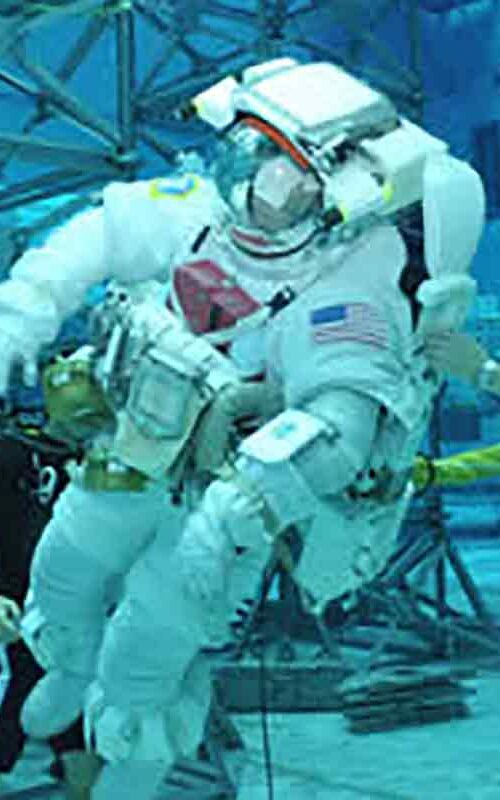
There are plenty of other careers in scuba diving out there which the more I write here the more jobs keep popping into my head. For example the Boat Captain, the Dive shop Manager/Owner, Underwater videographers, Underwater photographers, NASA diver, Hollywood stunt person, Cirque du Soleil artist handler, Underwater model or even a Sewage diver!
If you’ve ever thought about doing what you love for a living, contact us at Big Blue Pro and see what kind of career path we can start you off on.
Simply becoming a Dive Pro offers many benefits, even if you decide not to pursue diving as a full-time career. Part of learning how to teach scuba includes learning how to break down complicated information and give constructive feedback.
If you are interested then get in touch. We look forward to hearing from you!
