


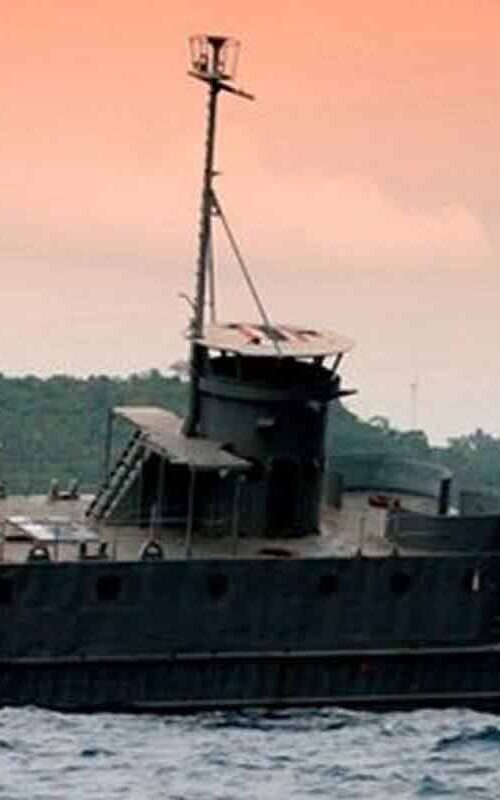
The famous shipwreck on Koh Tao, the HTMS Sattakut, located off the west coast of the island, is an intriguing dive site that attracts divers from all around the world. The history of this shipwreck on Koh Tao dates back to its origin as a war vessel and its subsequent transformation into a popular diving destination.
During World War 2
The HTMS Sattakut, originally known as the USS LCI(L)-736, was built during World War II as a Infantry Landing Craft for the United States Navy. The vessel was commissioned on November 25, 1944, and played an active role in the Pacific theater during the war. Its primary purpose was to transport troops and supplies to various combat zones.
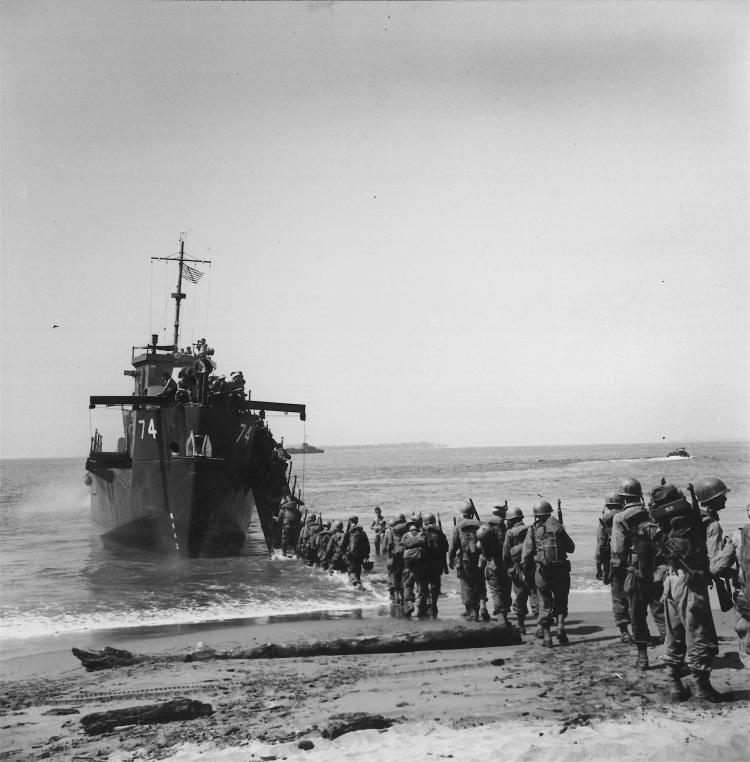
In the Royal Thai Navy
After the war, the USS LCI(L)-736 was decommissioned by the United States Navy and transferred to the Royal Thai Navy in 1947. It was then renamed HTMS Sattakut in honor of a significant Thai military victory during the Franco-Thai War in 1941.
Before it was a shipwreck on Koh Tao it served in the Royal Thai Navy for several decades, performing various roles such as patrol duty, training exercises, and transporting personnel. However, as the ship aged, it became less suitable for active duty, and the decision was made to retire it from service.
In 2011, the Royal Thai Navy took a bold step and deliberately sank the HTMS Sattakut off the coast of Koh Tao, intending to create an artificial reef and a new dive site. This decision was part of a concerted effort by the Thai government to promote marine conservation and eco-tourism in the region.
Sinking on Koh Tao
The sinking of the HTMS Sattakut was meticulously planned to ensure diver safety and enhance the marine ecosystem. Prior to the sinking, all hazardous materials and pollutants were removed from the vessel to prevent any environmental damage. The ship was cleaned and prepared to become a safe and welcoming habitat for marine life.
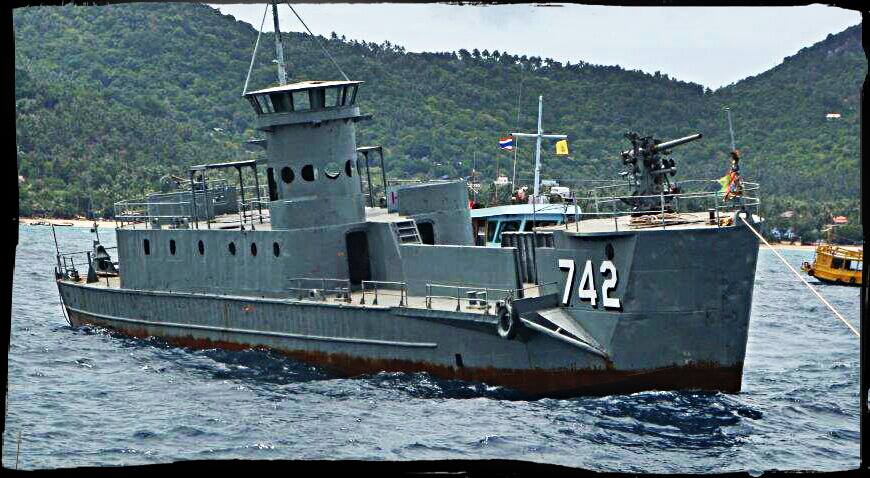
On June 18, 2011, the HTMS Sattakut was finally scuttled in a designated area about 30 meters deep, approximately 800 meters off the coast of Koh Tao. As the ship descended into the depths, it created a massive splash and settled onto the sandy seabed.
Since its sinking, the HTMS Sattakut wreck has become a thriving underwater ecosystem, attracting an abundance of marine life. Coral reefs have formed on the ship’s structure, providing shelter and food sources for numerous fish species. Divers can witness the colorful spectacle of vibrant corals, schools of tropical fish, and other fascinating marine creatures.
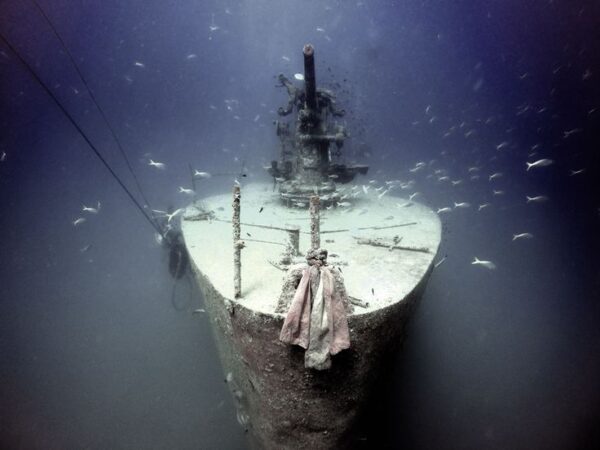
The wreck itself is a captivating sight for divers. It rests on its starboard side, with the top deck located at around 18 meters below the surface. The ship’s bow, stern, and superstructure are still largely intact, offering divers the opportunity to explore its various compartments and interior spaces.
Diving the Wreck
Diving at the HTMS Sattakut wreck is an unforgettable experience. Certified divers can navigate through the ship’s passages, swim alongside schools of barracudas, and spot resident marine life such as lionfish, moray eels, and seahorses. The wreck also provides excellent opportunities for Advanced Course divers, tech divers, wreck drivers and photographers.
The HTMS Sattakut wreck has become an iconic symbol of Koh Tao’s diving scene. It has not only attracted experienced divers but has also served as a training ground for novice divers who seek to explore the underwater world. Diving centers on Koh Tao offer courses and guided dives to the wreck, ensuring that divers can safely enjoy this unique underwater treasure.
The history of the HTMS Sattakut wreck on Koh Tao is a testament to the successful collaboration between the Royal Thai Navy, the local community, and the diving industry. It stands as a shining example of how a retired warship can be transformed into a sanctuary for marine life and a place of beauty and respect for the divers among us.
