


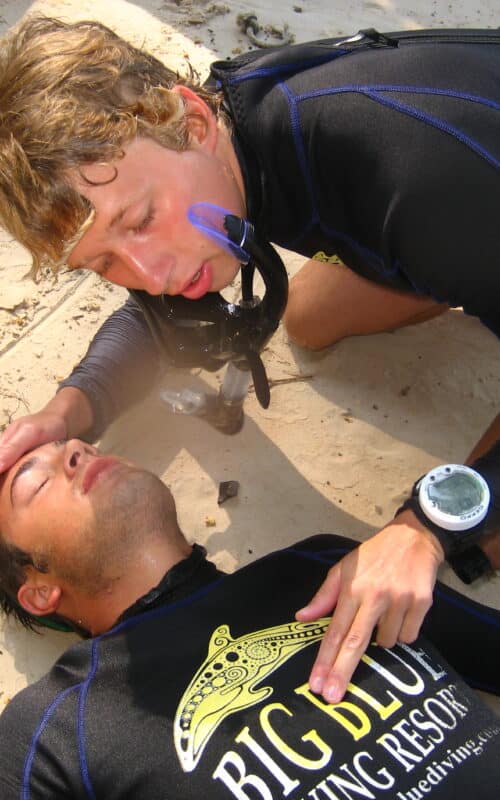
Diving is a thrilling and rewarding activity that allows individuals to explore the wonders of the underwater world. While the majority of divers are content with recreational diving, some enthusiasts aspire to take their skills to the next level by becoming Rescue Divers. The Rescue Diver course, offered by various scuba diving agencies worldwide, is a critical step for those seeking to enhance their proficiency in diving and is often a prerequisite for those aiming to pursue a professional career as a Divemaster.
The Rescue Diver Course: What it Entails
The Rescue Diver course is an intensive and challenging program designed to equip divers with the skills and knowledge required to handle emergency situations both underwater and on the surface. The course typically covers a range of topics, including:
Self-Rescue Techniques: Divers learn how to manage stress, prevent panic, and handle their own emergencies underwater.
Recognizing and Managing Stress in Others: Trainees develop the ability to identify signs of distress in fellow divers and respond appropriately.
Emergency First Response (EFR): Participants learn basic first aid and CPR skills, crucial for providing immediate assistance in emergency situations.
Rescue Skills: Techniques for rescuing panicked or unresponsive divers, managing underwater accidents, and providing effective assistance during dive-related incidents.
Search and Recovery Techniques: Divers are trained to locate and retrieve lost objects underwater, an essential skill in rescue situations.
The Road to Divemaster: Why Rescue Diver Certification Matters
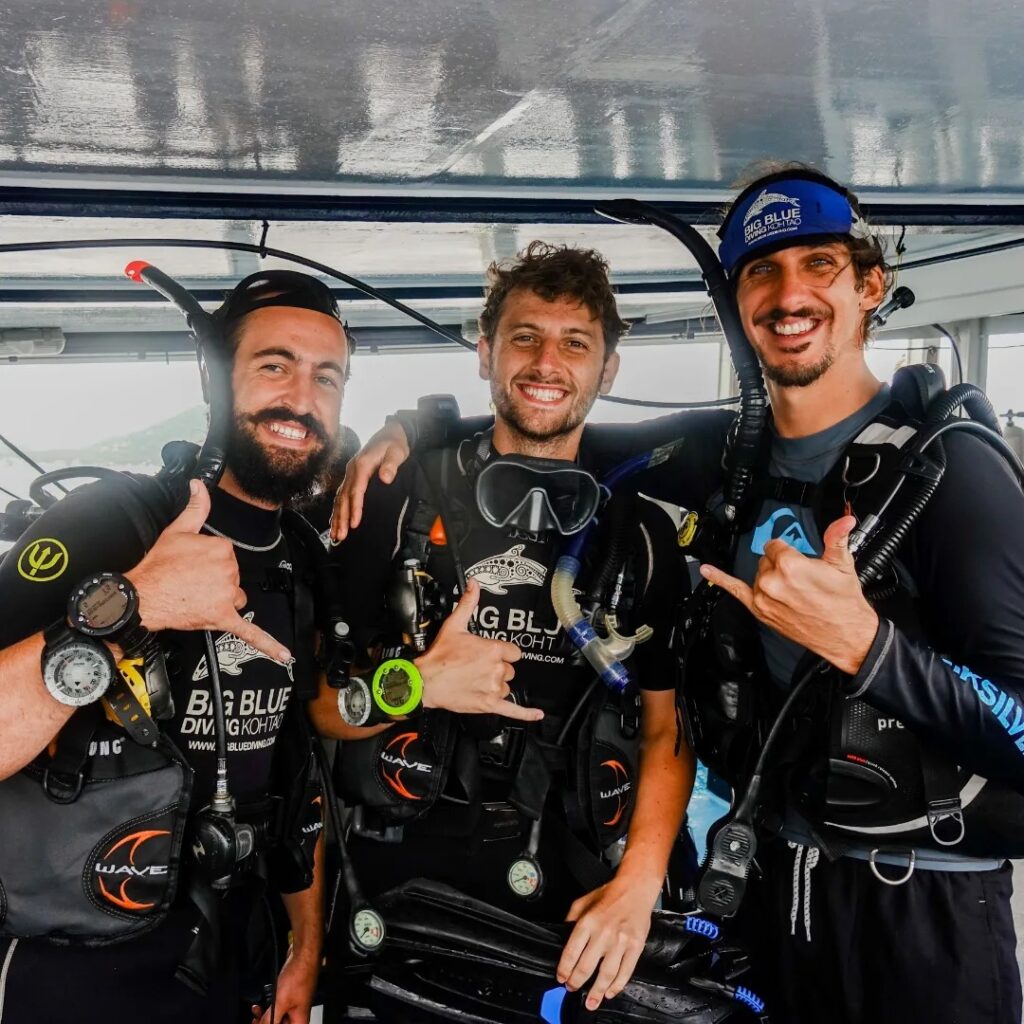
For those aspiring to become dive professionals, the Rescue Diver certification is often a mandatory step before pursuing advanced training such as the Divemaster course. The Divemaster certification is the first professional ranking in recreational diving and opens doors to career opportunities in the diving industry.
The Rescue Diver course serves as a foundation for the Divemaster program by providing divers with the necessary skills to handle various scenarios, demonstrate leadership, and effectively manage groups of divers. Many dive centers and liveaboard operations require their Divemaster candidates to have completed the Rescue Diver course as a prerequisite.
Is it Worth Becoming a Rescue Diver if You Don’t Want to Go Pro?
While the Rescue Diver course is undeniably valuable for those aspiring to become dive professionals, the question arises: Is it worth investing time and resources in becoming a Rescue Diver if you don’t have ambitions of turning diving into a career?
Arguments in Favor:
Enhanced Safety and Confidence: The Rescue Diver course provides divers with a heightened sense of safety and confidence. The skills acquired can be invaluable in emergency situations, whether on a dive trip or in everyday life.
Community and Camaraderie: Being a Rescue Diver demonstrates a commitment to safety and the well-being of fellow divers. It fosters a sense of community and camaraderie among diving enthusiasts.
Personal Growth and Skill Enhancement: The course challenges divers both mentally and physically, contributing to personal growth and the enhancement of diving skills. The ability to respond effectively in emergencies is a valuable life skill.
Arguments Against:
Time and Financial Investment: The Rescue Diver course requires a significant time and financial investment. For recreational divers who don’t aspire to become professionals, the question arises whether the benefits justify the costs.
Limited Application Outside Diving: The skills learned in the Rescue Diver course are primarily geared towards diving emergencies. While they may be useful in other contexts, their application is somewhat limited compared to general first aid and emergency response courses.
Alternative Training Options: Recreational divers may opt for more basic first aid and CPR courses, which cover essential emergency response skills without the additional complexities of underwater scenarios.
In conclusion, the decision to become a Rescue Diver should be based on individual goals, interests, and priorities. While it undeniably offers valuable skills and contributes to the safety of the diving community, recreational divers must weigh the benefits against the time and financial commitment. Whether pursuing a professional career in diving or seeking personal growth and enhanced safety, the Rescue Diver course remains a pivotal and transformative step on the journey to mastery in the underwater realm.
