


Koh Tao, a small tropical island in the Gulf of Thailand, is often hailed as one of the world’s most accessible and affordable diving destinations. Translating to “Turtle Island,” it offers a mesmerizing blend of coral gardens, schools of tropical fish, and warm, turquoise waters. But if you’re planning a dive trip here, timing is everything — the weather and seasons in Koh Tao dramatically influence diving conditions, visibility, and accessibility to dive sites.
Understanding these seasonal shifts helps you plan your perfect underwater adventure — whether you want calm seas and crystal clarity, or quieter dive sites away from the crowds.
Overview of Koh Tao’s Climate and Seasonal Patterns
Tropical Marine Climate: Year-Round Warmth and Sunshine
Koh Tao enjoys a tropical marine climate, meaning it’s warm and humid throughout the year. Average daytime temperatures hover between 28°C and 33°C (82°F–91°F), while water temperatures remain a pleasant 28°C–30°C (82°F–86°F) — ideal for diving without a wetsuit.
Average Air and Water Temperatures Throughout the Year
| Month | Air Temp (°C) | Water Temp (°C) | Conditions Summary |
|---|---|---|---|
| Dec–Jan | 26–29 | 27–29 | Monsoonal rains, rough seas |
| Feb–May | 28–33 | 29–30 | Calm seas, clear water |
| Jun–Sep | 27–32 | 28–29 | Windy, east side diving |
| Oct–Nov | 27–31 | 28–29 | Calm transition period |
December–January: Monsoonal Winds and Limited Visibility
The Northeast Monsoon Season Explained
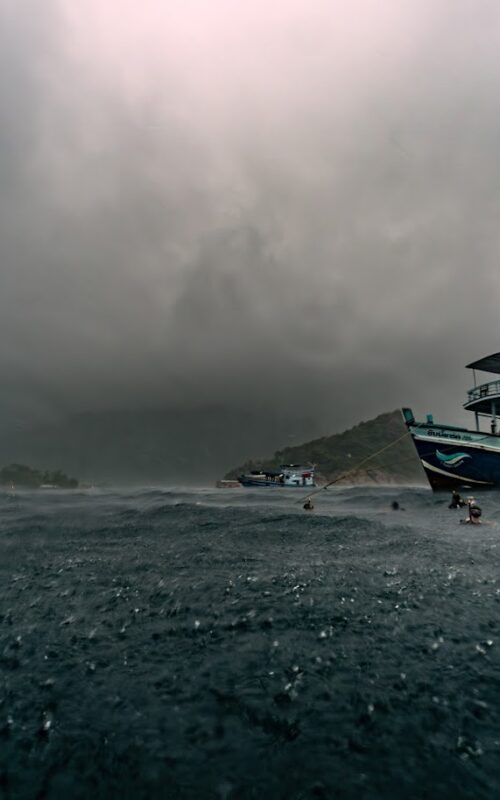
During December and January, Koh Tao faces its most unpredictable weather. The northeast monsoon sweeps across the Gulf of Thailand, bringing strong winds, big waves, and heavy rain. Sea conditions are choppy, and visibility can drop below 5 meters.
Diving Conditions During December–January
Although some dive centers remain open, it’s generally not ideal for beginners or those seeking crystal-clear views. Many dive sites on the west coast become inaccessible due to rough conditions. Advanced divers may still explore sheltered areas but should expect limited visibility and surge.
February–May: The Golden Diving Season in Koh Tao
Perfect Diving Conditions: Calm Seas and Crystal-Clear Visibility
From February to May, Koh Tao truly shines. The sea becomes glassy calm, currents are mild, and visibility often exceeds 25 meters. These months are considered the best time to dive in Koh Tao, with stable weather and abundant marine life.
Marine Life Encounters and Water Temperature
Expect encounters with barracuda, groupers, butterflyfish, and whale sharks, especially around Chumphon Pinnacle and Southwest Pinnacle. The warm water temperatures (around 30°C) make diving exceptionally comfortable.
Travel Tips for Peak Season
Because this period is so ideal, it’s also the busiest. April, coinciding with Songkran (Thai New Year), sees packed ferries and dive boats. Booking accommodations and dive courses in advance is highly recommended.
June–September: Diving the East Coast During the Southwest Monsoon
Seasonal Wind Shifts and Changing Dive Site Preferences
When the southwest monsoon arrives (June to September), winds shift direction, making the west coast choppy. However, the east coast becomes the go-to spot — sheltered, calm, and perfect for diving.
Hidden Gems on Koh Tao’s East Coast
Popular east-side dive sites during this season include Aow Leuk, Tanote Bay, and Hin Wong Pinnacle. These locations remain calm, with decent visibility and vibrant reef life, making this an underrated time for diving.
October–November: The Calm Before the Storm
Weather Transition and Diving Conditions
October and November bring generally calm seas, fewer tourists, and pleasant diving conditions before the monsoon returns in December. Visibility remains fair, and temperatures are stable — a peaceful window for relaxed diving.
Best Times for Fewer Crowds
This shoulder season is perfect for travelers wanting quieter dive sites and more personalized instruction. Accommodation prices also drop, offering great value.
Month-by-Month Guide to Diving in Koh Tao
| Month | Season | Diving Conditions | Notes |
|---|---|---|---|
| Jan | Monsoon | Rough, limited vis | Avoid if possible |
| Feb | Peak | Calm, clear, ideal | Great time to visit |
| Mar | Peak | Excellent | Warm water, great visibility |
| Apr | Peak | Excellent | Busy, book early |
| May | Peak | Calm seas continue | Slightly fewer crowds |
| Jun–Sep | SW Monsoon | East coast diving | Sheltered sites, good vis |
| Oct–Nov | Transition | Calm, quiet | Great value, relaxing dives |
| Dec | NE Monsoon | Rough seas | Start of storm season |
Tips for Choosing the Best Time to Dive Koh Tao
Factors to Consider
Best visibility: February–May
Least crowded: October–November
Avoid storms: December–January
Sheltered diving: June–September (east coast)
Recommended Gear & Dive Schools
Light wetsuits (3mm) are ideal year-round. During peak season, pre-book dive courses with reputable schools like Ban’s Diving Resort or Big Blue Diving (official site).
FAQs About Diving Conditions and Seasons in Koh Tao
Q1: When is the best time to dive in Koh Tao?
A: The best time is February to May, offering calm seas, warm water, and outstanding visibility.
Q2: Can I dive during the monsoon season?
A: Diving is possible but limited; expect rough seas and low visibility from December to January.
Q3: Where can I dive during the southwest monsoon?
A: The east coast sites like Tanote Bay and Aow Leuk are calm and protected during June–September.
Q4: Is Koh Tao diving good year-round?
A: Yes, it’s a year-round diving destination, but seasonal shifts affect which sites are accessible.
Q5: Are whale sharks common in Koh Tao?
A: Yes! March to May is the best period to spot them at deep dive sites like Chumphon Pinnacle.
Q6: When are dive schools least crowded?
A: From October to November, you’ll find fewer divers and excellent conditions.
Conclusion: Finding Your Perfect Dive Window in Koh Tao
Every season in Koh Tao brings a different diving experience. While February–May is unmatched for clarity and calm, June–September offers unique east coast adventures. For peace and quiet, October–November is your sweet spot. Just avoid December–January, when monsoons make conditions rough.
No matter when you visit, Koh Tao’s underwater world will leave you spellbound — proof that even a tiny island can deliver a world-class dive experience.
